
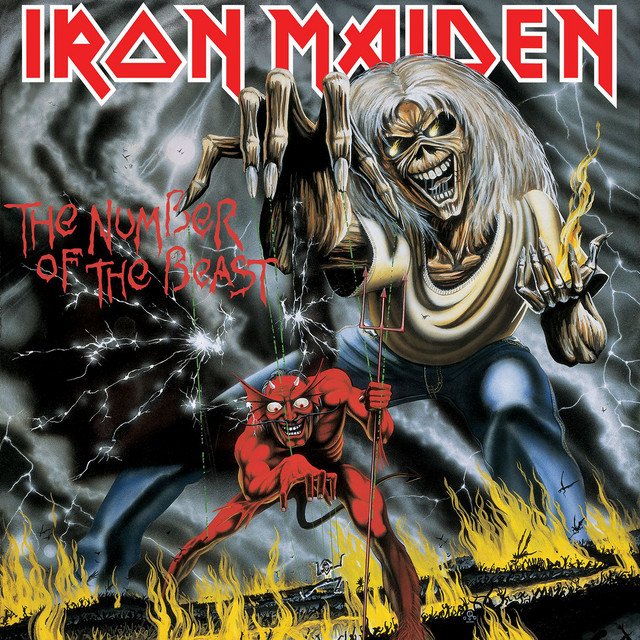
Run to the Hills – 2015 Remaster – Iron Maiden
Release date: 1982
Galloping Into the Present: Iron Maiden’s Run to the Hills (2015 Remaster) Revisited
Overview
Run to the Hills – 2015 Remaster finds Iron Maiden’s classic anthem sharpened for modern ears without losing an ounce of its original fire. It’s the same white-knuckle charge that helped define the New Wave of British Heavy Metal, but with a cleaner window into the band’s interplay—Bruce Dickinson’s clarion vocals, Steve Harris’s locomotive bass, and those twin-guitar heroics from Dave Murray and Adrian Smith. The result is a masterclass in momentum that still feels urgent in today’s rock and metal landscape.
Release and Album Context
Originally released in 1982, Run to the Hills became one of Iron Maiden’s signature tracks and a breakout single for the album The Number of the Beast. The 2015 remaster restores that legacy in high-definition sheen, housed on The Number of the Beast (2015 Remaster), while the song itself is presented as Run to the Hills – 2015 Remaster. Hearing this version underscores just how forward-thinking the composition was for its time—and how comfortably it sits alongside modern heavy music.
Sound and Style: Viewed Through a Post-Grunge/Alternative Rock Lens
While Iron Maiden is firmly rooted in classic heavy metal, there’s a surprising amount here that connects with post-grunge and alternative rock sensibilities. The song’s tight, percussive riffing and strong verse/chorus contrast echo the dynamic tension prized in alt-rock, where punch and clarity matter as much as speed. The galloping rhythm—propelled by Harris’s bass and Clive Burr’s crisp, forward tom patterns—delivers the kind of kinetic pulse that post-grunge fans often find in driving, downstroke-heavy grooves.
Guitar layers sit in a way that modern alt-rock mixers would appreciate: harmonized leads take center stage without smothering the rhythm bed, and the choruses bloom with broad, melodic lines that feel instantly anthemic. The 2015 remaster accentuates this crossover appeal—low end is tighter, cymbals are cleaner, and midrange guitars occupy a focused, radio-ready lane. Even for listeners raised on alternative textures, the track’s hook architecture and propulsive arrangement make immediate sense.
Song Meaning
Run to the Hills tackles the violent collision of cultures during the colonization of North America, shifting perspective between Native peoples and invading settlers. The narrative juxtaposes defiance, displacement, and conquest, spotlighting the cost paid by those on the receiving end of expansion. Rather than romanticizing frontier myth, the song digs into its brutality—the relentless pursuit, the loss of land and autonomy, and the dehumanization that follows. This thematic weight gives the anthem its moral gravity, transforming a high-speed barnburner into a historical reckoning that still resonates in conversations about power, identity, and memory.
What Makes It Stand Out
Even by today’s standards, the song’s architecture is ferociously efficient: a drum-and-bass preface that snaps you to attention; a verse cadence that sprints without tripping over itself; and a chorus that soars on a melody you can shout from the cheap seats. The dual-guitar harmonies offer hooks within hooks, while the solo section trades flair for narrative—lines that feel sung rather than merely shredded. The band’s chemistry is the star: every part reinforces the forward motion, giving the track a cinematic sense of stakes.
Why It Appeals to Modern Rock and Metal Fans
For contemporary listeners into post-grunge and alternative rock, the draw is twofold: immediacy and intent. Run to the Hills hits like a precision-engineered single—memorable chorus, muscular riffing, airtight transitions—while its lyrical content provides substance beyond the adrenaline. Fans of modern metal will recognize a blueprint for the genre’s evolution: galloping rhythms that inform power and speed metal, harmonized leads that seeded melodic metal, and an ear for singable heaviness that many alt-metal and hard rock acts still chase.
Key Moments and Production Notes (2015 Remaster)
The opening tom salvo and bass figure feel taut and vivid, setting a relentless pace. Verse guitars have just enough bite to carve space without clouding the vocal, and the chorus blooms with a fuller stereo image that highlights Dickinson’s upper register. The solo break breathes better than many earlier masterings—harmonies sit high and clear, and the cymbal sheen no longer veils the details. Overall, the 2015 remaster balances clarity with punch, preserving analog warmth while delivering the definition that contemporary rock fans expect.
Final Word
Run to the Hills – 2015 Remaster captures Iron Maiden at a thunderous peak and reframes it for today’s sound systems. It’s historically potent, musically athletic, and hook-forward in a way that transcends era and subgenre. Whether you come from alternative rock, post-grunge, or modern metal, this track’s blend of narrative heft and adrenalized precision makes it an essential spin on The Number of the Beast (2015 Remaster).
Listen on Spotify:
Useful links:
