
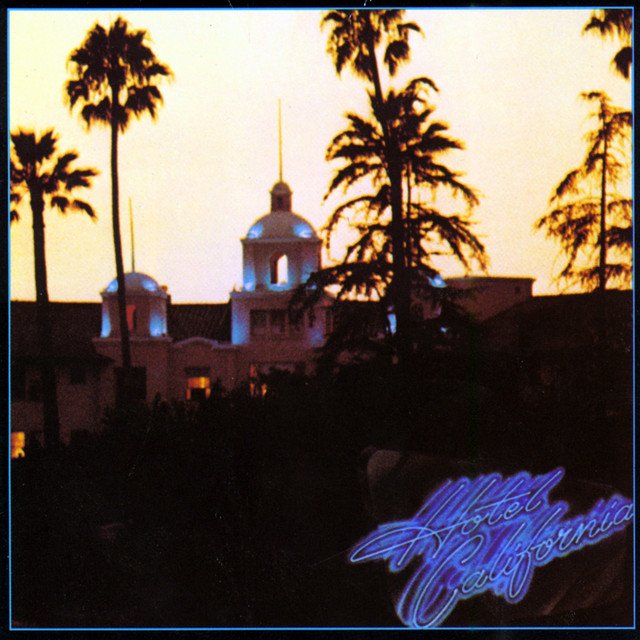
Hotel California – 2013 Remaster – Eagles
Release date: 1976-12-08
Eternal Check-In: Hotel California – 2013 Remaster Through a Modern Rock Lens
Overview
Eagles’ Hotel California – 2013 Remaster remains a masterclass in slow-burn tension, narrative mystique, and guitar-driven catharsis. While born of 70s classic rock DNA, the track translates seamlessly to a contemporary rock and metal audience thanks to its brooding minor-key mood, layered textures, and a finale that crescendos into harmonized lead-guitar glory.
The song appears on the album Hotel California (2013 Remaster), a refreshed presentation of the group’s landmark record that foregrounds detail without losing the analog warmth fans expect.
Release Context
The original version landed on 1976-12-08, a date that effectively redrew the map for California rock by blending storytelling, sophistication, and radio-bound hooks. The 2013 remaster revisits that legacy with a cleaner window into the mix: acoustic shimmer is more present, bass notes sit with greater definition, and the twin-lead crescendo feels wider and more three-dimensional.
Importantly, the new polish does not overwrite the era; it simply spotlights the interplay that made the track timeless—an aesthetic balance that modern listeners used to hi-fi streaming will immediately appreciate.
Sound & Style Through a Post-Grunge/Alt-Rock Lens
Heard alongside post-grunge and alternative rock, Hotel California reads like a prototypical dark anthem: a patient, mid-tempo pulse; an ominous, descending minor progression; and a sparse verse arrangement that blooms into a towering guitar denouement. The mood-first architecture—restrained verses, tension-stoking pre-choruses, and a payoff solo—mirrors the quiet-loud catharsis that later defined alt-rock ballads.
The acoustic foundation carries a subtle Latin-tinged cadence, while electrics add grit and attitude as the narrative deepens. In alt-rock terms, it is the kind of shadowy, scene-setting intro and slow-build arrangement that bands would later weaponize for stadium-size drama. The final minutes, with interlocking, harmonized leads, deliver the kind of melodic heroism that metal and post-grunge fans crave: lyrical phrasing first, firepower second, and both in service of mood.
What Makes It Stand Out
Hotel California is defined by tension management. The iconic 12-string-styled arpeggios and a roomy, unhurried groove establish a twilight atmosphere; vocals sit front-and-center, intimate and slightly detached. As the track unfolds, subtle percussion details and guitar filigree stack in layers, each pass tightening the screws by a quarter turn.
The famed dual-guitar finale is the clincher. It is not merely a solo; it is a composed suite that escalates from conversation to declaration, with harmonies that feel inevitable rather than indulgent. For players and tone-chasers, the 2013 remaster highlights pick definition and note separation, making those intertwining lines easier to trace—and, inevitably, to study.
Song Meaning
On the surface, the lyrics sketch a late-night arrival at a tempting refuge. Underneath, the hotel becomes a mirage for excess, addiction, and the seductions of the entertainment machine. The imagery—warm desert air, mirrored corridors, Tiffany-twisted opulence—invokes a gilded labyrinth, a place built to welcome and then subtly imprison.
The narrator’s gradual realization fuels the track’s dramatic arc: curiosity gives way to unease, then to entrapment. That final refrain—check out any time you like, but never leave—reads as a parable for cycles that feed on desire, from fame to consumer hedonism. It is a modern myth about the cost of chasing the dream, told with the pacing of a noir short story.
Why It Resonates With Modern Rock & Metal Fans
Fans of contemporary heavy music will recognize several magnetic qualities: a minor-key gloom that never dissolves into melodrama; a focus on dynamic architecture; and a lead-guitar language that favors narrative over mere speed. The track’s harmonized lines arguably prefigure the melodic sensibilities that run through everything from alternative rock epics to twin-guitar metal traditions.
There is also texture: the interplay of clean and driven tones maps neatly onto the tension-and-release tactics of post-grunge. Even without drop-tuned heft, the song projects weight—psychological mass carried by arrangement choices, long-form melody, and cinematic pacing.
The 2013 Remaster: Detail That Serves the Drama
Modern mastering often risks flattening dynamics; here, the space remains intact. Transients on the acoustic strums feel crisp, cymbals breathe, and the bass anchors the descent without smearing the midrange. As the solo ramps up, the stereo image widens organically, enhancing that sensation of the walls closing in before the song opens onto its vast, final vista.
For headphone listeners, the remaster lays bare the small gestures—ghostly percussive accents, guitar harmonics, vocal nuances—that deepen the narrative without ever pulling focus from the main line.
Final Thoughts
Hotel California – 2013 Remaster is a rare bridge piece: classic rock architecture presented with enough clarity and dynamic subtlety to speak directly to post-grunge and alternative sensibilities. If you come for mood, you will find it. If you come for guitar craft, you will stay. And if you come for a story with teeth, it still bites after all these years.
Listen on Spotify:
Useful links:
