
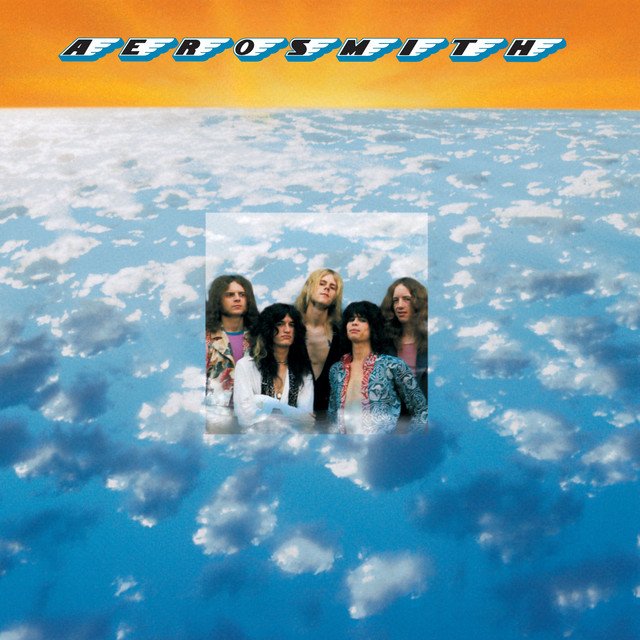
Dream On – Aerosmith
Release date: 1973-01-05
Dream On, Still Loud: A modern-alt look at Aerosmith’s 1973 anthem
Opening Riff
Dream On might be a 1973 power ballad from Aerosmith’s self-titled debut, but it still lands with the emotional voltage modern rock and metal fans crave. Released on 1973-01-05 alongside the full-length album "Aerosmith," the track bridges bluesy classic-rock DNA with a slow-burn architecture that feels right at home next to alternative and post-grunge epics.
Heard today, it is less a nostalgia piece and more a blueprint for the cathartic, dynamics-driven songs that would later define alt-rock radio and heavy playlists alike.
Release and Context
Dream On arrived as a statement of intent on Aerosmith’s first album, introducing a band steeped in gritty American rock but unafraid of cinematic ambition. Where contemporaries leaned into boogie and blues, this cut centered the piano and built gradually into a huge, arena-sized climax. Over time, it became one of the band’s signature songs, the spine-tingling moment in any set where tension finally snaps into release.
Its origin on "Aerosmith" gives it a raw, early-70s texture: analog warmth, roomy drums, and guitars that bite without losing clarity. That organic feel is part of its lasting pull.
Sound and Style: Through a post-grunge and alt-rock lens
Strip away the era and you hear the same design that powers later post-grunge and alternative ballads: a hushed, minor-key verse, surging pre-chorus, and a widescreen payoff. Piano anchors the harmonic mood while layered guitars arrive in waves, thickening into a muscular wall without turning the song into a riff-stomp. The rhythm section keeps a patient pulse, letting space and suspense do the heavy lifting.
Most of all, the vocal arc is pure modern-rock catharsis: from low, introspective lines to a ferocious, high-register scream that feels earned rather than ornamental. That quiet-loud psychology—tension, explosion, aftermath—parallels the emotional blueprints embraced decades later by alternative and post-grunge heavyweights.
Song Meaning
Dream On reads as a meditation on time, resilience, and the stubborn pursuit of purpose. It acknowledges the grind—how growth and hard-won wisdom come with scars—while insisting that aspiration is not naivete but necessity. The narrator faces mortality and disappointment head-on, turning vulnerability into fuel.
For listeners, the message lands like a pep talk delivered in the mirror: keep pushing, keep learning, and keep dreaming, because the climb is the point. That blend of realism and resolve is why the chorus still feels like a personal rallying cry.
What Makes It Stand Out to Modern Rock and Metal Fans
Dynamic engineering: The track perfects the slow-burn. Its rising gain, widening stereo image, and escalating vocal grit mirror the tension-and-release tactics that define much of contemporary heavy music.
Emotional heaviness over pure distortion: Even without drop-tuned riffing, the climax hits hard. The weight comes from arrangement and performance intensity—a lesson many heavy bands still chase.
Anthemic payoff: When the chorus detonates, it feels communal. That sense of shared catharsis is a hallmark of big modern rock singalongs and festival-headliner moments.
Timeless production choices: Piano and guitars interlock instead of competing, and the vocal sits just forward enough to carry the story. It sounds classic, not dated—easy to place on a playlist alongside alternative or post-grunge ballads.
Legacy and Resonance
Dream On has outlived trends by delivering the kind of emotional arc that transcends genre labels. It set a template for rock ballads that balance vulnerability with volcanic release, influencing how later artists approached dynamics, pacing, and payoff.
In the 2020s, it still pairs naturally with darker alt-rock and post-grunge cuts because its core is universal: tension, confession, ignition, and relief. That sequence remains the lifeblood of heavy music.
Final Take
If you come from modern rock or metal, Dream On speaks your language: slow build, massive chorus, vocal fire, and a message that turns struggle into strength. Born on "Aerosmith" and released 1973-01-05, it remains a masterclass in how to make a ballad feel heavy—without ever needing to shout over the emotion at its center.
Listen on Spotify:
Useful links:
