
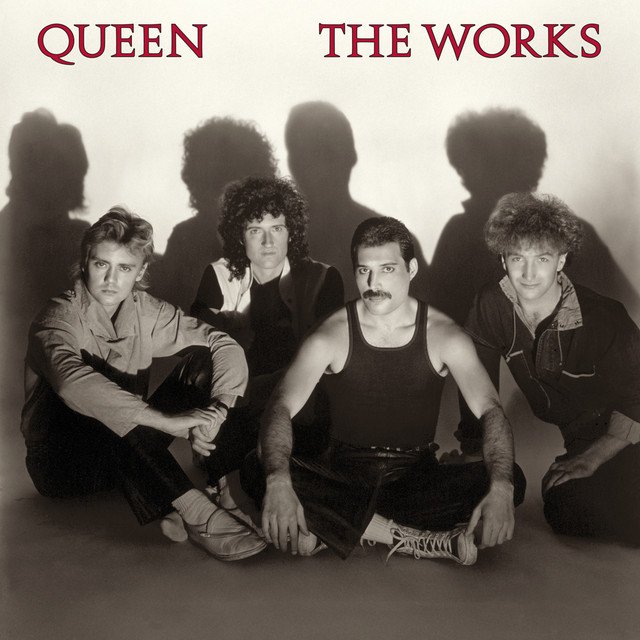
Radio Ga Ga – Remastered 2011 – Queen
Release date: 1984-02-27
Signal Strength: Queen’s “Radio Ga Ga” Still Roars in 2011 Remaster
Quick Stats
Artist: Queen
Song: “Radio Ga Ga – Remastered 2011”
Album: “The Works (2011 Remaster)”
Original release date: 1984-02-27
The Setup: A Classic Tuned for 21st‑Century Ears
Few rock anthems land with the cross‑generational voltage of “Radio Ga Ga.” On the 2011 remaster from “The Works (2011 Remaster),” Queen’s glossy, futurist vision gets a modern polish—crisper high end, sturdier low‑mids, and a cleaner separation between the pulsating drums, towering vocals, and synth architecture. It’s the same stadium‑scale singalong, but the contours hit with more definition, making the track feel surprisingly current alongside contemporary rock playlists.
Sound & Style: Through a Post‑Grunge/Alternative Rock Lens
While “Radio Ga Ga” emerged from the synth‑powered side of 80s rock, its engine hums with traits that post‑grunge and alternative rock fans will recognize instantly. The beat locks into a relentless, four‑on‑the‑floor thump that behaves like a down‑picked rhythm guitar—steady, muscular, and built for crowd movement. The synth bass functions almost like a chugging low‑string riff, leaving space for melodic hooks to soar over the top.
The arrangement embraces the loud/soft dynamic arc: verse textures are sleek and tension‑building, while the chorus detonates into a widescreen chant, the kind of cathartic release prized by alt‑rock stadium acts. Brian May’s guitar doesn’t dominate with shred fireworks; instead, it adds weight and color, a textural strategy that modern rock employs when songs lean on groove and anthem rather than constant lead lines. Layered harmonies and percussive claps amplify that communal, gang‑vocal energy—another throughline to contemporary arena rock where participation is part of the hook.
Song Meaning: A Love Letter and a Warning
At its core, “Radio Ga Ga” is a meditation on how we connect to music. It’s both a love letter to radio’s golden era—when broadcasts felt like lifelines—and a warning about entertainment turning into background noise as technology races ahead. The song positions radio as a unifier: imperfect, yes, but human, shared, and immediate. It mourns the erosion of that shared ritual while refusing pure nostalgia; instead, it asks what we lose when convenience eclipses community. That tension—progress versus presence—gives the anthem its emotional charge and explains why it still resonates in the algorithm age.
Why It Hits for Modern Rock and Metal Fans
Contemporary rock and metal thrive on scale, pulse, and a hook that can carry a festival field. “Radio Ga Ga” checks every box. The kick‑driven groove is simple but seismic; it’s the kind of heartbeat that modern bands build entire sets around. Freddie Mercury’s lead vocal brings operatic reach with rock grit—a blueprint for the high‑drama choruses that dominate today’s heavier mainstream. Even without a barrage of distorted guitars, the track achieves monolithic mass through layered vocals, synth stacks, and precision dynamics—techniques that heavier acts use to make choruses feel sky‑high and sub‑heavy at once.
And then there’s the participatory factor: the call‑and‑response clapping motif and chant‑ready refrain were built for crowds. If you follow post‑grunge or alternative rock, you’ll hear early DNA for the modern “all hands up” moment—an arena weapon that translates across genres, from anthemic alt to symphonic metal.
Standout Moments You’ll Feel in Your Spine
The ignition: The opening pulse sets a strict grid, instantly signaling that the groove is king. It’s economical and hypnotic—perfect for head‑nod momentum.
The chorus lift: Vocals explode into layered harmonies, widening the stereo field and delivering that communal surge that alt‑rock fans crave.
Textural guitar work: May’s parts arrive like floodlights—strategic swells and accents that add heft without crowding the rhythm bed.
Synth spotlight: The mid‑song synth lines and vocoder‑tinged textures bring sci‑fi color, a counterpoint to the earthy stomp underneath—a contrast that modern rock often mines for drama.
The final lap: Refrains stack and intensify, trading sheer distortion for arrangement muscle, proving how volume can be built with voices and space as effectively as with gain.
Legacy and Influence, Heard Forward
Even from 1984, “Radio Ga Ga” anticipates how big‑room rock would evolve: rhythm‑centric foundations, chantable hooks, and cinematic builds. The 2011 remaster strips away a touch of period haze so those design choices feel immediate rather than archival. For fans steeped in post‑grunge weight or alternative rock atmospherics, it lands like a proto‑arena blueprint—timeless bones dressed in neon steel.
Final Spin
On “The Works (2011 Remaster),” “Radio Ga Ga – Remastered 2011” reasserts its status as a massive, human anthem in a high‑definition frame. If your playlists swing from modern alternative to melodic metal, this is essential listening: a masterclass in groove‑first architecture, community‑scale hooks, and emotionally clear storytelling. Old signal, new shine—still loud, still together.
Listen on Spotify:
Useful links:
