
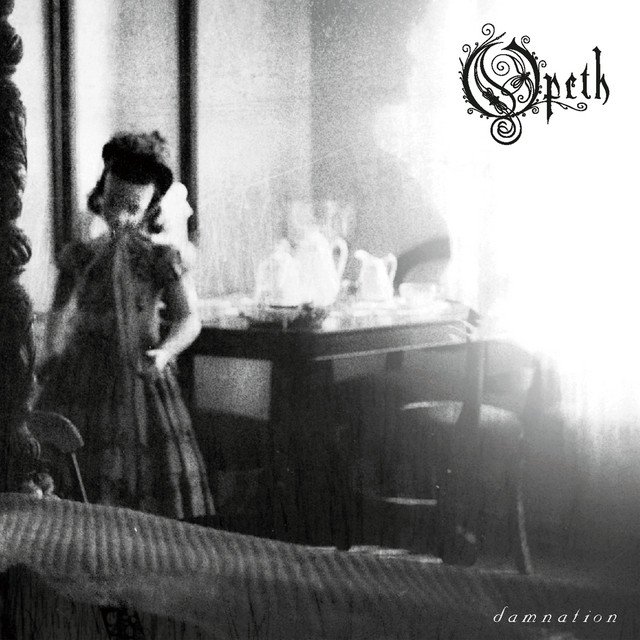
Hope Leaves – Opeth
Release date: 2003-04-22
Melancholic Grace: Exploring Opeth’s ‘Hope Leaves’ and Its Quiet Power
1. Introduction
Opeth, widely celebrated for blending progressive metal with melodic intricacy, took a daring step into introspective territory with their 2003 release Damnation. Among the album’s hauntingly beautiful tracks, “Hope Leaves” stands as a striking testament to the band’s versatility and emotional depth. Released on April 22, 2003, this song showcases an entirely different face of Opeth—one steeped in quiet melancholy, rich atmospheres, and subdued arrangements that reveal frontman Mikael Åkerfeldt’s gift for nuance.
2. Musical Style
While Opeth is most often associated with extreme metal, “Hope Leaves” diverges deeply from that aesthetic. Musically, it leans toward post-grunge and alternative rock sensibilities. The song is built around clean guitar tones, resonant bass lines, and minimalist percussion that evoke a reflective mood rather than aggression. Its arrangement favors dynamics over distortion—soft verses bloom into tender choruses where emotion is conveyed through texture rather than volume. Listeners familiar with modern rock acts such as Porcupine Tree or A Perfect Circle will find a similar balance between atmospheric restraint and melodic sophistication here.
3. Lyrical Meaning and Interpretation
The lyrics of “Hope Leaves” explore themes of loss, resignation, and the lingering ache left in the wake of emotional departure. Åkerfeldt crafts imagery that conveys both emptiness and remembrance—a delicate meditation on how absence reshapes one’s sense of self. The title alone implies something transient; hope doesn’t vanish violently but drifts away quietly, like autumn leaves falling from bare branches. This understated tragedy gives the song profound resonance for listeners who have confronted grief or disillusionment.
4. Why It Stands Out
“Hope Leaves” is distinctive within Opeth’s catalog because it highlights their ability to communicate heaviness without relying on traditional ‘heavy’ elements. Its gentle acoustic framework contrasts beautifully with the band’s usual complexity yet retains their signature emotional weight. The production by Steven Wilson adds warmth and clarity to every instrument, allowing subtle details—the air in Åkerfeldt’s voice, the echo of each plucked note—to envelop the listener completely. The result is a track that feels timeless: melancholy but comforting, fragile yet resilient.
5. Appeal to Modern Rock and Metal Fans
For fans of contemporary rock and metal seeking music that transcends genre boundaries, “Hope Leaves” offers a rare kind of catharsis. It demonstrates that intensity lies not only in distortion or speed but also in vulnerability and atmosphere. The song appeals to those who appreciate dynamic storytelling through sound—a hallmark shared by progressive acts who value mood as much as technical proficiency. Ultimately, “Hope Leaves” captures the essence of finding beauty within sorrow—making it an enduring favorite among listeners who crave depth beyond surface aggression.
Listen on Spotify:
Useful links:
