
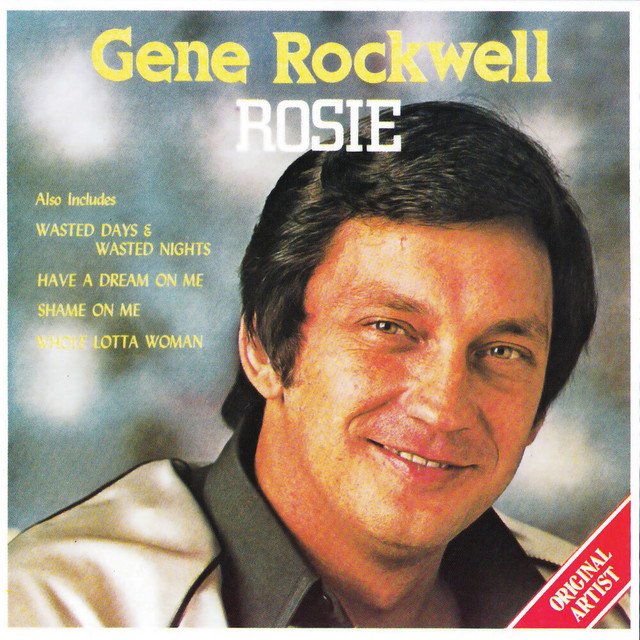
Wasted Days and Wasted Nights – Gene Rockwell
Release date: 1970-11-16
Echoes of Reflection: Gene Rockwell’s ‘Wasted Days and Wasted Nights’
1. Introduction
Gene Rockwell’s track “Wasted Days and Wasted Nights,” featured on his 1970 album Rosie, stands as a fascinating fusion of timeless emotional songwriting and the grit associated with post-grunge and alternative rock aesthetics. Released on November 16, 1970, this song has aged like fine wine — its raw vulnerability resonates even with audiences accustomed to the heavier textures of modern rock and metal.
2. A Historical Snapshot
At the dawn of the seventies, when classic rock was in full bloom, Rosie showcased Rockwell’s versatility as both a vocalist and composer. “Wasted Days and Wasted Nights” draws from classic blues roots but feels surprisingly prescient in tone — its layered guitar tones, driving percussion, and emotionally charged vocal delivery anticipate the sonic tension that would later define post-grunge music. The song bridges an era of optimism with one of introspection, making it feel remarkably current.
3. Musical Style and Composition
The track blends melodic melancholy with simmering intensity. The guitars are steeped in warm overdrive rather than distortion, giving it a textured tone reminiscent of later alt-rock acts such as Foo Fighters or Bush. The rhythm section maintains a grounded pulse — tight yet slightly unpolished — offering that organic grit beloved by fans of heavier genres. Its mid-tempo pacing allows emotional nuance to shine through while maintaining enough momentum to engage listeners used to dynamic shifts in modern rock arrangements.
4. The Song Meaning
“Wasted Days and Wasted Nights” is a meditation on regret, lost time, and emotional recovery. Lyrically (without quoting directly), the song channels the voice of someone reckoning with painful memories yet still yearning for redemption. This universal theme — wrestling with choices, love, and self-forgiveness — transcends eras. For today’s audiences steeped in alternative realism and emotional candor, it speaks clearly to the struggle between despair and hope that underlies much of contemporary rock writing.
5. Why It Resonates with Modern Rock and Metal Fans
The enduring allure of Rockwell’s composition lies in its balance between vulnerability and strength — qualities that remain essential to heavy music culture today. While not built around crushing riffs or drop-tuned angst, it possesses an intensity rooted in authenticity rather than aggression. For listeners immersed in post-grunge textures or reflective metal subgenres like gothic or melodic metal, “Wasted Days and Wasted Nights” offers an early blueprint for channeling emotion through sound without compromise.
6. Final Thoughts
More than half a century after its release, “Wasted Days and Wasted Nights” continues to echo through generations because it captures what all great rock strives for: raw humanity wrapped in resonant sonics. For those seeking depth beyond distortion — where emotion meets melody beneath weathered vocals — Gene Rockwell’s classic remains an essential rediscovery within modern alternative listening circles.
Listen on Spotify:
Useful links:
