
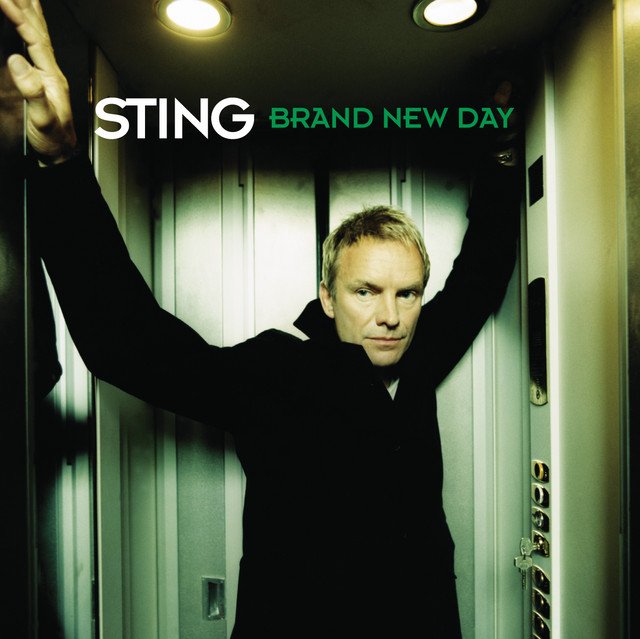
Desert Rose – Sting
Release date: 1999-09-24
Crossing Sands and Sounds: Exploring Sting’s “Desert Rose”
Introduction
Released on September 24, 1999, as part of Sting’s acclaimed album Brand New Day, “Desert Rose” stands as one of the artist’s most genre-defying works. While often associated with jazz, pop, and world music influences, this track also carries traits that appeal to fans of post-grunge and alternative rock—particularly in its atmospheric layering and emotional tension. The song bridges Western modern rock aesthetics with North African tonalities, creating a distinct sonic identity that continues to captivate listeners decades later.
Musical Composition and Style
“Desert Rose” thrives on contrast. Its lush electronic textures coexist alongside organic elements such as acoustic guitar and traditional Middle Eastern vocal phrasing. This dynamic interplay gives it a quality familiar to those who enjoy the introspective depth of alternative rock or the expansive soundscapes found in post-grunge productions. The rhythm builds steadily rather than exploding into distortion-laden crescendos, favoring mood over aggression but never sacrificing intensity. There’s a hypnotic pulse beneath the melody reminiscent of acts like Radiohead or Live—artists that blur boundaries between rock experimentation and emotional storytelling.
The Song’s Meaning
At its core, “Desert Rose” speaks of longing, desire, and the ache for something unattainable. The imagery of a rose blooming in the desert symbolizes beauty existing within isolation—a powerful metaphor for human yearning. Sting’s lyrics evoke both personal intimacy and cultural vastness, merging themes of love with spiritual searching. When viewed through the lens of modern rock sensibilities, this sense of distance and craving resonates deeply with fans accustomed to introspective lyricism and textured production. The collaboration with Algerian singer Cheb Mami further enhances this duality by blending English expressionism with Arabic passion.
Appeal to Rock and Metal Fans
While not a heavy track by nature, “Desert Rose” possesses an emotional weight that many modern rock and metal enthusiasts admire. It captures atmosphere over aggression—a trait found in post-metal or progressive acts where power derives from tone rather than volume. The underlying structure reflects precision and control, akin to how bands craft tension before release. Moreover, its production layers—ethereal vocals, distant percussion echoes, subtle bass movements—offer the same immersive experience that fans seek in more complex genres.
Cultural Fusion and Legacy
What ultimately sets “Desert Rose” apart is its fusion of global sounds within a contemporary framework. In 1999, such cross-cultural experimentation was still uncommon in mainstream rock contexts. By weaving Arabic pop into an alternative-rock-friendly arrangement, Sting created a gateway for listeners curious about non-Western influences without abandoning the emotional familiarity of modern songwriting. This adventurous spirit aligns perfectly with audiences who value innovation—the same impulse that drives metal’s evolution through fusion with orchestral or electronic elements.
Conclusion
More than two decades after its release on Brand New Day, “Desert Rose” remains a testament to musical exploration across borders and genres. Its blend of post-grunge atmosphere, alternative depth, and world rhythms makes it relevant not only as a pop hit but also as an artistic statement bridging cultures through sound. For fans of modern rock and metal seeking something introspective yet grand in scale, Sting’s haunting mirage continues to glimmer like an oasis at dusk—timeless, evocative, and endlessly inspiring.
Listen on Spotify:
Useful links:
