
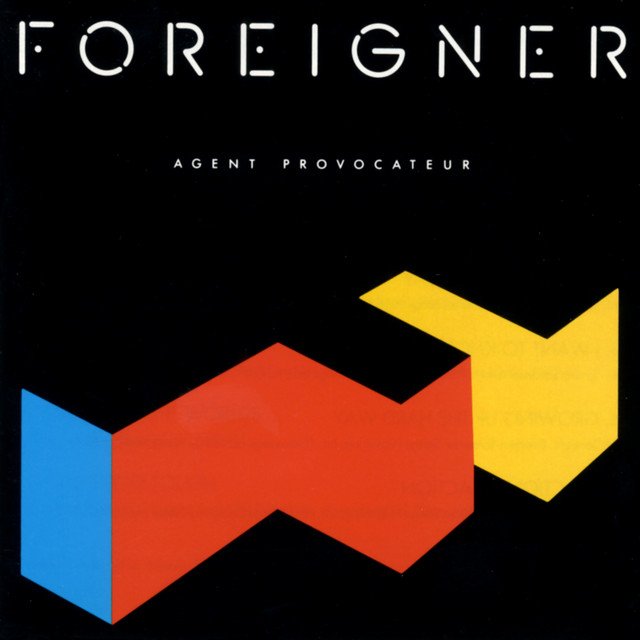
I Want to Know What Love Is – 1999 Remaster – Foreigner
Release date: 1984
Power-Ballad DNA, Modern Muscle: Foreigner’s “I Want to Know What Love Is – 1999 Remaster”
Context: A Classic Reframed
Foreigner’s “I Want to Know What Love Is – 1999 Remaster” pulls a landmark 1984 single into sharper modern focus. Originally anchored to the album Agent Provocateur (released in 1984), this is the band’s defining power ballad—massive, emotive, and built for big rooms—now presented with a polish that flatters contemporary rock and metal playlists.
While the song was born in the AOR era, hearing it today—especially via the 1999 remaster—invites a fresh read through post-grunge and alternative-rock lenses, where dynamic arcs, textural contrast, and cathartic lift are core values.
Sound and Style: An Alt/Post-Grunge Reframing
Strip the song to its bones and you get traits any alt- or post-grunge fan will recognize: a slow-burn verse that rides clean guitars and steady pulse; a mid-tempo march that builds tension; and a chorus that detonates into a towering wall of sound. The climactic swell—layered vocals, choir, and saturated guitar weight—mirrors the quiet-loud catharsis later codified by 90s alternative ballads.
Synth pads color the harmonic space like ambient backlighting, while the drums sit with a purposeful, almost processional groove—less flash, more inevitability. The vocal delivery, raw and grainy at the edges, leans into the earnest vulnerability that post-grunge would elevate a decade later. Think of it as an alt-rock power ballad blueprint, just drafted in 1984.
The 1999 Remaster: Clarity, Weight, Space
The 1999 remaster sharpens the contrast. Low-end feels tighter and more authoritative, giving kick and bass a modern center of gravity. The stereo image breathes—reverbs, choirs, and synth beds occupy distinct pockets, so the chorus doesn’t blur; it blooms. Vocals stand a touch closer, the articulation more immediate without sanding off the emotional rasp.
For today’s listeners, that means the song slots more naturally alongside modern rock and metal balladry: clearer transients, more defined layering, and a heft that reads “big” without sacrificing warmth.
Song Meaning: Vulnerability as Strength
At its core, the song is about reaching beyond bravado to ask for something real. It narrates the tension between doubt and hope—wanting to believe that love can heal but fearing the fall that comes with trust. The gospel-choir lift functions like communal affirmation, transforming a private plea into a shared catharsis.
That frank vulnerability is why heavy-music fans often connect with it. Beneath distortion and aggression, metal and modern rock also prize honesty and release; this track just swaps double-kicks for a choir and lets the emotional downbeat hit in the chorus.
Why It Works for Modern Rock and Metal Ears
– Dynamics as heaviness: the quiet-loud surge here lands like a post-grunge crescendo or a metalcore clean-break chorus—impact born from contrast.
– Melodic architecture: a vocal line that soars over dense instrumentation, the same trick that lets choruses cut through high-gain guitars today.
– Textural stacking: guitars, pads, and layered voices build a monolithic peak—akin to modern walls of sound, just voiced through 80s hardware.
– Emotional authenticity: its lyrical directness mirrors the confessional streak that runs through alternative and heavy music, trading technical exhibition for gut-level connection.
Production and Performance Notes
The arrangement is a study in patience: restrained verses with chorus-tinged clean guitars, drums that emphasize pulse over fills, and bass that glues harmony to groove. As the song ascends, guitars gain saturation, backing vocals thicken, and the choir enters as an organic “fuzz pedal” made of human voices—bigger, warmer, and far more dramatic. Keys color the harmonic sky without stealing center stage, while the lead vocal carries a lived-in grit that sells the lyric.
In the remaster, the choir and high-mid textures are more intelligible—less mush, more image—so the track’s signature lift feels both wider and more focused.
Legacy and Crossover Appeal
“I Want to Know What Love Is” helped cement the template for the towering rock ballad. Its DNA shows up in 90s alt-rock slow-burners and even in modern heavy tracks that pivot from introspective verses to widescreen choruses. The 1999 remaster makes that lineage easier to hear: a classic core, dressed in sonics that sit comfortably next to present-day mixes.
If you’re fluent in post-grunge or alternative rock, you’ll hear a familiar grammar here—dynamic storytelling, layered atmospherics, and a cathartic payoff—delivered by a band that wrote the rules before many of us learned them. Agent Provocateur gave the world this anthem in 1984; the remaster ensures it still hits like a revelation in 2024 playlists.
Listen on Spotify:
Useful links:
