
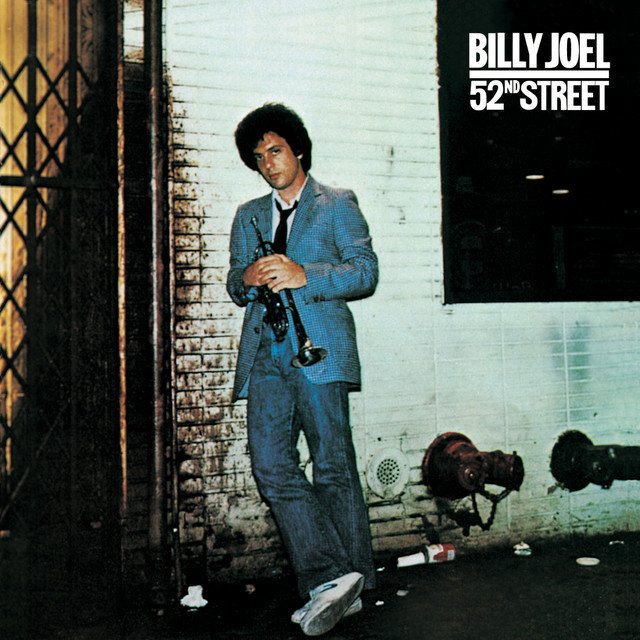
My Life – Billy Joel
Release date: 1978-10-13
My Life, Louder: Why Billy Joel’s 1978 Anthem Still Speaks to Rock and Metal
1) Snapshot: Release, Album, and Legacy
Released on 1978-10-13 as part of Billy Joel’s album 52nd Street, “My Life” arrived at the close of the 1970s with a polished, punchy sheen. While historically rooted in piano-driven pop rock, the song’s backbone—tight rhythm, assertive vocal delivery, and a hook built to be shouted back—makes it ripe for reappraisal by contemporary rock and metal listeners.
Across four decades, “My Life” has endured as a cultural touchstone, not only because of its radio-ready chorus but because its no-compromise attitude still feels modern.
2) Style Snapshot: Hearing It Through a Post-Grunge/Alt-Rock Lens
Picture the track reframed with the aesthetics of post-grunge and alternative rock: the piano’s percussive stabs function like a clean, cutting riff; the verses ride a steady, unpretentious groove; and the chorus explodes with an anthemic release. The song’s economy—clear verse-chorus architecture, smart dynamics, and a driving backbeat—maps neatly onto the way 1990s-and-beyond alt-rock tightened song structures for maximum impact.
Even without distortion, “My Life” carries the kind of bite that post-grunge made famous: defiant lyrics, friction between restraint and release, and a chorus that begs to be lifted by thicker guitars or a more aggressive drum mix. It’s easy to imagine a modern arrangement swapping piano for overdriven power chords without losing the tune’s identity.
3) What Makes It Stand Out
– Precision hooks: The main melodic motif lands fast and stays memorable, a hallmark of alt-rock radio staples.
– Rhythmic punch: The groove feels muscular and forward—more push than sway—giving it a backbone that modern rock thrives on.
– Dynamic clarity: Verses keep the energy coiled; the chorus detonates cleanly. That tension-and-release blueprint is the lifeblood of contemporary rock arrangements.
– Attitude-first songwriting: The vocal phrasing leans into emphasis and punctuation, the kind of delivery that translates seamlessly to heavier styles without losing nuance.
4) Song Meaning: Autonomy as Anthem
At its core, “My Life” is about staking out autonomy in the face of expectations. The narrator draws boundaries, rejects social prescriptions, and asserts a right to self-definition. Rather than retreating inward, the message steps forward with a public declaration: a promise to live on one’s own terms and accept the consequences.
That stance resonates beyond its late-’70s backdrop. In any era—especially the post-grunge world where personal agency, resilience, and catharsis are narrative pillars—the song reads like an evergreen manifesto. It’s less escapism and more empowerment: not asking permission, just moving.
5) Why Modern Rock and Metal Fans Might Click With It
– Shared ethos: Defiance, self-determination, and boundary-setting are core to heavy music’s spirit; this track ticks those boxes.
– Built-in heaviness: Swap the piano voicings for palm-muted crunch and the chorus practically reorients itself as a big-room, alt-rock sing-along—or even a fist-in-the-air hard rock anthem.
– Structural efficiency: Its lean runtime and clear sectioning align with the punch-first design of post-grunge singles and modern rock playlists.
– Cathartic chorus: The payoff is immediate and repeatable—the kind of hook that ignites crowds regardless of whether the instrumentation skews classic or contemporary.
6) Final Take: Classic Bones, Modern Bite
“My Life” on 52nd Street (1978-10-13) proves that attitude and architecture outlast trends. Hear it as a clean-lined blueprint for the alt-rock explosion that would come years later: tight groove, declarative vocals, and a chorus designed for communal release. For rock and metal fans, the song offers a ready-made chassis for heavier reinterpretation—proof that some anthems were built loud from the start, even when they arrived wrapped in piano and polish.
Listen on Spotify:
Useful links:
