
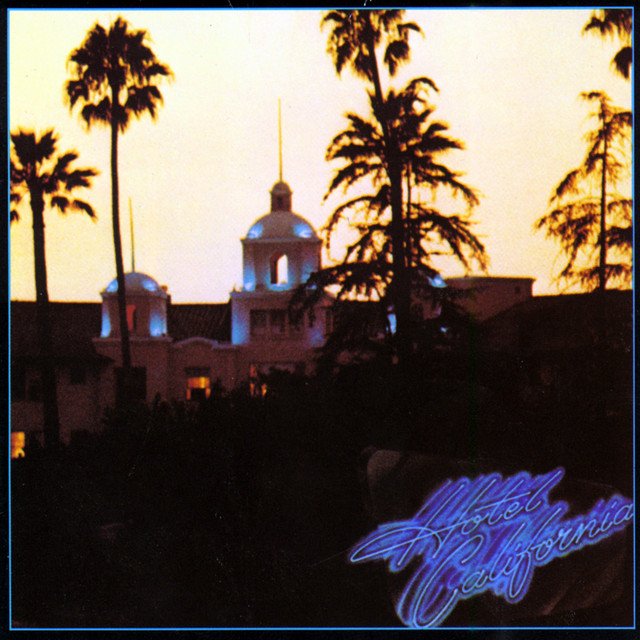
Hotel California – 2013 Remaster – Eagles
Release date: 1976-12-08
Steel and Mirage: Hotel California – 2013 Remaster Through a Modern Rock Lens
Context and Release
Eagles’ Hotel California – 2013 Remaster arrives as a clarified, high-fidelity window into a song first unveiled on 1976-12-08, housed on the album Hotel California (2013 Remaster). Heard today, this classic unfurls like a widescreen thriller: sun-baked on the surface, shadowed underneath. The remaster doesn’t rewrite history; it sharpens it, letting modern ears zero in on the architecture that made the track an enduring touchstone.
Sound and Style Through a Post-Grunge/Alternative Lens
While born of 70s rock, the track’s mood and dynamics slot neatly alongside post-grunge and alternative rock sensibilities. A minor-key pulse, moody clean guitars that evolve toward grit, and a steady, unhurried backbeat create the kind of darkly lustrous atmosphere that fans of alt and post-grunge gravitate toward. The arrangement leans on tension-and-release rather than speed: hypnotic arpeggios, a bassline that broods instead of brags, and choruses that bloom with weight instead of sheer volume—traits that echo the modern taste for textured heaviness over constant distortion.
What Makes It Stand Out
The song is a masterclass in slow-burn escalation. Verse by verse, the layers accumulate—12-string shimmer, interlocking electrics, and vocal harmonies that lift without deflating the tension. By the time the dual-lead guitar finale arrives, the payoff feels inevitable: harmonized lines that weave, answer, and finally soar, delivering an emotional crescendo with the precision and drama contemporary guitar fans crave. Rather than a riff barrage, it’s narrative-heavy arranging—each part earns its place, so the climactic solos hit like a final reveal.
Song Meaning
Interpreted through decades of cultural hindsight, Hotel California reads like a parable about seduction, excess, and the gilded traps of success. The hotel is a mirage that beckons with warmth and luxury, yet quietly removes the exits once you step inside. Its rooms hint at industry machinery and scene culture: invitations that feel flattering at first, then transactional, even predatory. The narrator’s journey charts the slide from curiosity to entanglement to uneasy recognition. In that sense, the song isn’t just about a place—it’s about the American dream’s reflective surface, where desire and disillusionment become indistinguishable under neon light.
Why It Appeals to Modern Rock and Metal Fans
Fans of heavier music will find plenty to chew on: a dark tonality that never fully resolves, a patient groove that locks like post-grunge, and guitar work that balances melody with muscle. The production prioritizes space—notes hang and haunt—so when the gain inches up and the harmonies flare, it lands with the kind of catharsis associated with alt-metal crescendos. It’s heavy without being loud for loud’s sake, proof that menace and momentum can come from arrangement discipline as much as from sheer distortion.
The 2013 Remaster Advantage
The 2013 remaster adds clarity and separation without sanding off the analog warmth. You can trace the pick attack on the arpeggios, sense the air around the cymbals, and feel the bass glue the mid-tempo pocket. The dual-guitar finale benefits most: harmonies sit side by side rather than on top of each other, so the final ascent is both wider and more articulate. For contemporary listeners accustomed to dense, high-gain mixes, this polish brings the song’s architecture into focus, revealing how much of its power comes from restraint expertly released at just the right moment.
Listen on Spotify:
Useful links:
