
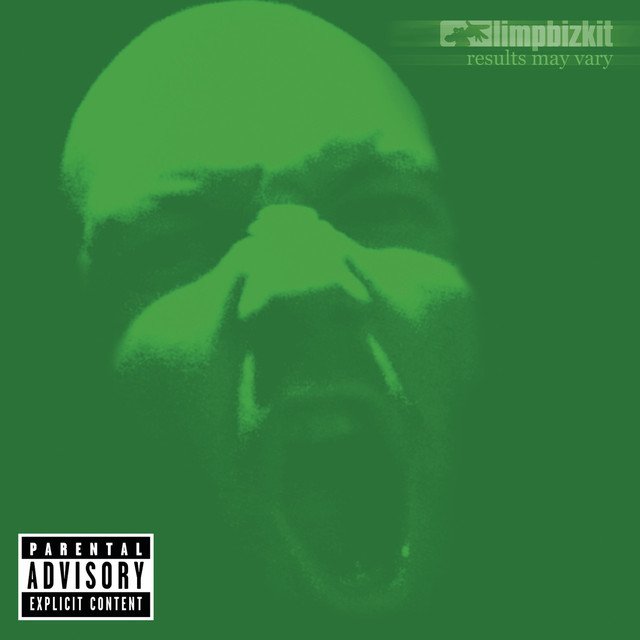
Eat You Alive – Limp Bizkit
Release date: 2003-01-01
Limp Bizkit’s ‘Eat You Alive’: A Fierce Return to Emotion-Driven Aggression
Introduction
Released on January 1, 2003, as part of Limp Bizkit’s album Results May Vary, “Eat You Alive” captures the raw emotional turbulence that defined much of early-2000s alternative rock. It stands as one of the most visceral and unapologetic tracks from the band’s post-grunge evolution, offering a blend of anger, vulnerability, and melodic heaviness that marks a distinct phase in their sound.
Background and Album Context
Results May Vary was a significant moment for Limp Bizkit. Following lineup changes and internal tension within the group, this album represented both experimentation and reinvention. “Eat You Alive” emerged as its lead single, showcasing Fred Durst’s renewed focus on emotional storytelling rather than relying purely on the nu-metal bravado that had defined earlier hits like “Nookie” or “Break Stuff.” Musically, it leans toward post-grunge territory — gritty yet radio-friendly, with elements of alternative rock woven into its structure.
Musical Style and Composition
The song opens with dark guitar tones that build tension before exploding into a driving chorus marked by dynamic shifts between quiet verses and explosive hooks. The production layers thick guitar distortion over steady drumming, balancing aggression with melody. Wes Borland’s absence during this era led to a different guitar approach — less experimental but still heavy-hearted and atmospheric. This sonic formula connects well with fans who appreciate rock tracks that can balance accessibility with power.
Lyrical Themes and Meaning
At its core, “Eat You Alive” is about obsession and uncontainable emotion. Fred Durst channels frustration, heartbreak, and desire through intense vocal delivery that borders between confession and confrontation. The lyrics portray someone overwhelmed by passion to the point of consuming fixation — an all-too-human feeling expressed in raw terms. Rather than romanticizing these emotions, the track exposes their darker side, giving listeners a cathartic space to reflect on their own experiences of love turned volatile.
Why It Resonates with Rock and Metal Fans
What makes “Eat You Alive” stand out is its honesty. While many rock songs mask emotional pain behind metaphor or irony, Limp Bizkit delivers it head-on — bruised but genuine. Its heavy riffs appeal to metal fans craving intensity, while its melodic sensibility aligns with modern rock audiences seeking depth beyond aggression. The contrast between Durst’s vulnerable verses and his explosive choruses mirrors life’s unpredictable emotional swings. For listeners exploring post-grunge-era expression in contemporary rock, this track remains an underrated gem that bridges aggression with authenticity.
Conclusion
“Eat You Alive” exemplifies Limp Bizkit’s willingness to evolve while staying true to their emotionally charged roots. As part of Results May Vary, it continues to resonate two decades later — not just as a song of anger or passion, but as a reminder that rock music thrives when it dares to expose raw human emotion beneath its sonic weight. It’s an essential listen for anyone drawn to the edge where heartache meets heaviness.
Listen on Spotify:
Useful links:
