
Sign of the Times – Europe
Release date: 1988-08-03
Echoes of Change: Europe’s ‘Sign of the Times’ Reimagined for Modern Rock Fans
1. Setting the Stage: Europe and Their Evolving Sound
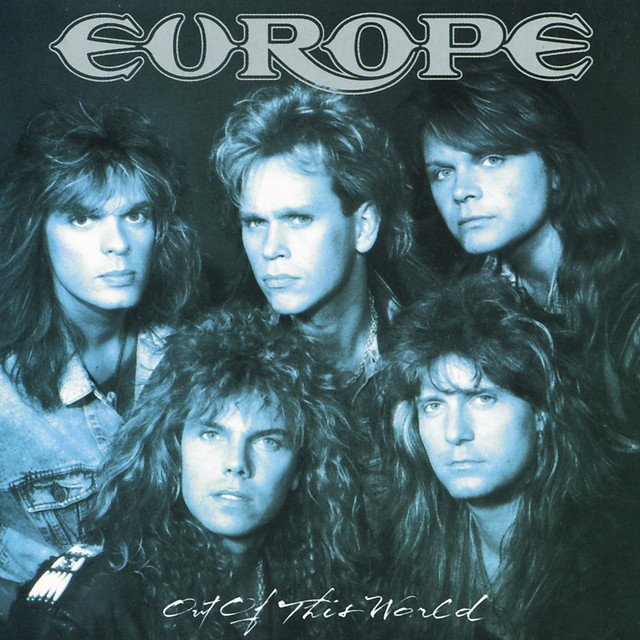
Released on August 3, 1988, as part of the album Out Of This World, Europe’s ‘Sign of the Times’ marked a pivotal moment for the Swedish rock band best known for their arena-filling anthems like ‘The Final Countdown.’ While firmly rooted in melodic hard rock, this track showcased the group’s willingness to evolve — flirting with textures and moods that would later become hallmarks of post-grunge and alternative rock.
The late ’80s rock scene was dominated by glam aesthetics and virtuoso guitar work, but Europe infused deeper emotional resonance into their songwriting. ‘Sign of the Times’ captured a sense of urgency and introspection that felt ahead of its time, bridging the gap between classic melody-driven metal and the darker tones emerging in early ’90s rock.
2. Musical Style: Between Melodic Power and Alternative Edge
Musically, ‘Sign of the Times’ stands out for its layered guitar harmonies, steady mid-tempo rhythm, and a vocal delivery from Joey Tempest that walks the line between power and vulnerability. The song’s production carries a polished sheen typical of late-’80s rock yet hints at the rawer soundscapes that would define post-grunge aesthetics years later.
If reimagined through a modern lens, it could easily align with the atmospheric intensity found in today’s alternative rock acts. The driving guitar riffs resonate with bands influenced by both classic hard rock and more contemporary metal trends — making it accessible for fans who appreciate both melody and muscular instrumentation.
3. The Meaning Behind the Song
‘Sign of the Times’ dives deep into themes of change, uncertainty, and self-awareness. The lyrics reflect a world shifting before our eyes — personally and socially — capturing that feeling of disconnection many experience when facing a rapidly transforming society. Europe turned this sense of existential questioning into something anthemic rather than bleak, urging listeners to recognize transformation as an unavoidable part of life.
The message still feels timely today: no matter how much progress or chaos surrounds us, understanding these “signs” remains key to navigating modern existence. It’s this universality that allows the track to connect with listeners decades after its release.
4. Why It Resonates with Modern Rock and Metal Fans
Contemporary audiences drawn to introspective songwriting mixed with dynamic instrumentation will find plenty to love in ‘Sign of the Times.’ Its clean yet powerful production foreshadows what alternative metal bands would later perfect — blending intensity with emotion instead of pure aggression. For fans who admire acts like Foo Fighters or Alter Bridge, Europe’s ability to balance melody with grit feels strikingly familiar.
The guitar solos remain intricate without overshadowing lyrical depth, while drummer Ian Haugland’s measured pacing creates tension that builds naturally throughout the track. These qualities place it comfortably alongside songs from today’s evolving hard rock landscape.
5. Legacy: A Timeless Reflection on Change
‘Sign of the Times’ endures as one of Europe’s most thoughtful compositions — a song that subtly predicted shifts in popular rock toward greater authenticity and emotional candor. In retrospect, it can be heard not just as a product of its era but as an artistic statement echoing through decades of stylistic evolution.
For those exploring deeper cuts beyond Europe’s biggest hits, ‘Sign of the Times’ offers both nostalgia and discovery: proof that even at their commercial peak, this band had an eye on music’s future horizons.
Listen on Spotify:
Useful links:
