
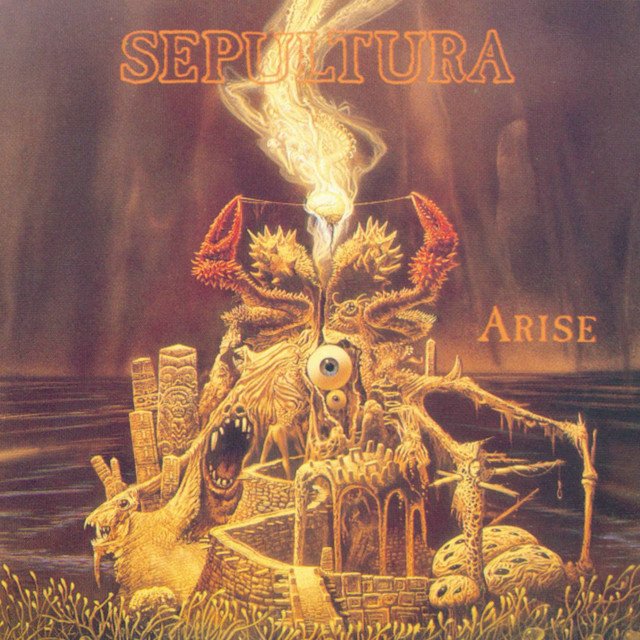
Arise – Sepultura
Release date: 1991-03-20
Awakening the Chaos: Sepultura’s ‘Arise’ and Its Enduring Modern Resonance
1. Introduction
Released on March 20, 1991, Sepultura’s song “Arise” stands as a fierce declaration of rebellion and self-awareness within the band’s powerful fourth studio album of the same name. While originally rooted in thrash and death metal traditions, the energy and tone of “Arise” possess qualities that can connect with fans of post-grunge and alternative rock today—thanks to its raw production, layered aggression, and emotional urgency.
2. The Album and Historical Context
The album Arise marked a pivotal moment for Sepultura. Emerging from Brazil’s underground metal scene, they had already gained international recognition with their previous release, but it was this record that solidified their place among global metal legends. The early 1990s were a time when alternative and post-grunge bands were redefining heaviness through introspection and texture, and although Sepultura remained firmly metallic, their rhythmic grooves and experimental tendencies foreshadowed those shifts in sonic landscape.
3. Musical Style and Sound
Musically, “Arise” is driven by thunderous guitar riffs, intricate drumming, and an unrelenting tempo that feels both industrial and organic—a soundscape that modern alternative rock listeners might recognize as a precursor to later evolutions in heavy music. Its structure balances technical precision with primal energy; distorted guitars roar in unison while Max Cavalera’s commanding vocals channel themes of resistance with a sense of cathartic release. For audiences familiar with post-grunge dynamics—loud/soft contrasts, emotive aggression—this track delivers an early glimpse of those aesthetics interpreted through extreme metal intensity.
4. Meaning Behind the Song
Thematically, “Arise” explores humanity’s self-destructive tendencies and the need for awakening amidst chaos. It speaks to disillusionment with societal decay, urging listeners to rise above fear and complacency to reclaim individuality. This message resonates strongly even decades later—mirroring how many modern rock bands address alienation, identity crises, or political unrest through emotional depth rather than sheer aggression.
5. Legacy and Appeal to Modern Audiences
What makes “Arise” stand out is its timeless blend of power, groove, and social consciousness. Its raw authenticity bridges generations of rock fans who seek both intensity and meaning in their music. For contemporary listeners discovering heavier sounds beyond standard alternative rock playlists, this track offers an essential lesson: true heaviness lies not only in volume but also in conviction.
Over thirty years after its release, “Arise” remains a call to awareness—a bold anthem that invites reflection amid the noise. In an era where genre boundaries continue to blur between metal, grunge, and alternative rock, Sepultura’s masterpiece proves that visionary aggression never goes out of style.
Listen on Spotify:
Useful links:
