
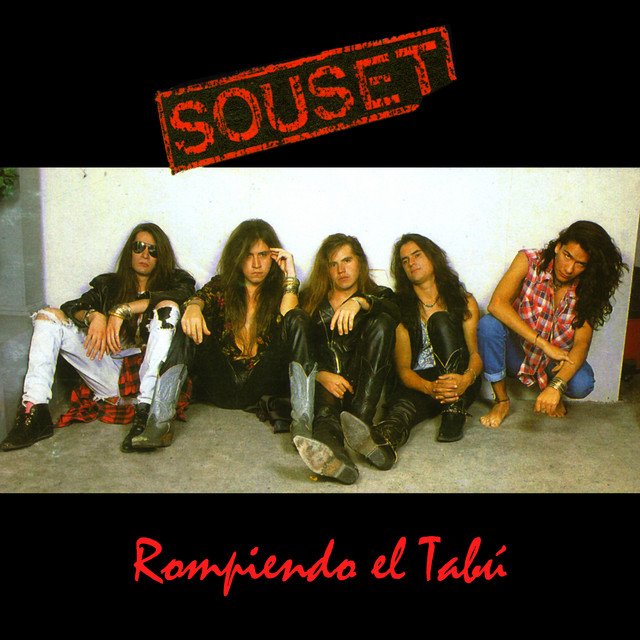
Salvaje – Souset
Release date: 1993-02-12
Unleashing the Beast: Exploring Souset’s ‘Salvaje’ from ‘Rompiendo el Tabú’
Introduction
Few tracks in the early ’90s alternative scene captured raw emotion and sonic grit quite like “Salvaje” by Souset. Released on February 12, 1993, as part of their groundbreaking album Rompiendo el Tabú, this song remains a powerful testament to the band’s bold fusion of post-grunge intensity and alternative rock swagger. Though often overlooked in mainstream discussions, “Salvaje” continues to resonate with fans of modern rock and metal alike.
The Sound: Post-Grunge Meets Alternative Edge
Musically, “Salvaje” is rooted firmly in post-grunge aesthetics, characterized by gritty guitar riffs, brooding basslines, and an emotionally charged vocal delivery. Souset layers dense textures with dynamic shifts, reminiscent of early Soundgarden and Alice in Chains but with a distinctly Latin edge that sets them apart. The rhythm section pulses with tribal urgency while the distorted guitars carve through the mix with unrelenting energy.
This combination results in a soundscape that feels both primal and polished—a careful balance between aggression and atmosphere. It’s this layered complexity that makes “Salvaje” a standout for listeners who appreciate the depth and diversity found in contemporary heavy music.
Lyrical Depth: The Meaning Behind “Salvaje”
The title “Salvaje,” meaning “wild” or “untamed” in Spanish, serves as a metaphor for the internal struggles we all face—battles against societal expectations, personal demons, and emotional repression. Lyrically, the track reflects themes of liberation and identity reclamation. Lines speak to the chaos within, urging listeners to embrace their instincts rather than suppress them.
Souset crafts an introspective narrative that explores what it means to break free from imposed structures—both cultural and psychological. This universal theme gives the song an enduring relevance and emotional punch.
Why It Resonates With Modern Rock & Metal Fans
For fans entrenched in today’s heavy scenes—from groove-laden modern metal to introspective alt-rock—”Salvaje” offers a refreshing familiarity. Its emotionally resonant core paired with feral musical execution mirrors much of what bands like Deftones or Gojira strive for today: heaviness not just in sound but in meaning.
The blend of aggression with vulnerability appeals to listeners who seek music that doesn’t just rage for rage’s sake but channels something deeper. That soulful intensity is precisely why “Salvaje” stands shoulder-to-shoulder with contemporary classics despite its three-decade-old origin.
Legacy and Lasting Impact
Though Souset may not be widely known outside dedicated circles, songs like “Salvaje” cement their importance in shaping Latin America’s contribution to alternative rock history. Rompiendo el Tabú was ahead of its time—challenging conventions musically and thematically—and “Salvaje” remains its beating heart.
If you’re a fan of thoughtful songwriting wrapped in explosive arrangements—or if you’ve ever felt the need to let your inner wildness run free—then “Salvaje” demands a spot on your playlist. It’s not just a song; it’s a rally cry for those still breaking their own taboos.
Listen on Spotify:
Useful links:
