
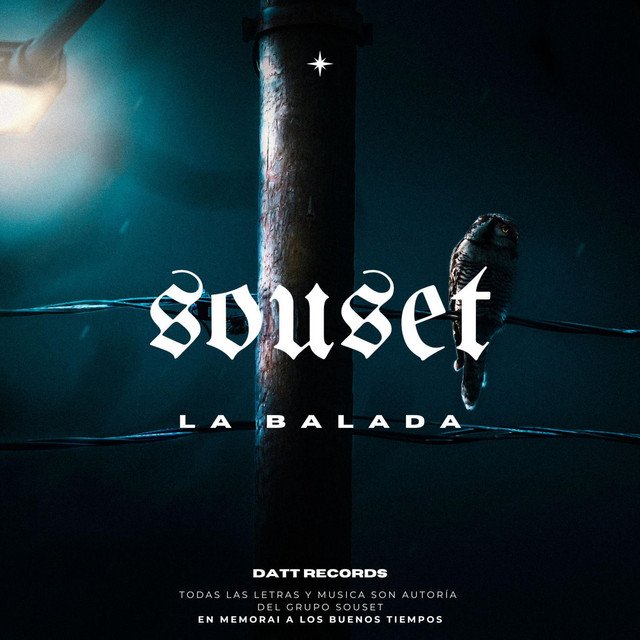
La Balada – Souset
Release date: 1992-07-31
Rediscovering ‘La Balada’: Souset’s Post-Grunge Gem That Echoes Through Time
Introduction: A Hidden Classic from the Early ’90s
In the pantheon of early ’90s alternative rock, few songs encapsulate the raw emotion and gritty sonic textures of the era like “La Balada” by Souset. Released on July 31, 1992, as part of their self-titled album La Balada, this track stands as a compelling example of post-grunge innovation blended with alt-rock sensibilities. Though not widely known outside of niche music circles, “La Balada” has earned enduring respect among fans who crave depth and authenticity in their modern rock playlists.
The Soundscape: Post-Grunge Meets Alternative Rock
Musically, “La Balada” is a masterclass in dynamics and tone. It builds on the disenchanted groundwork laid by grunge pioneers but refines it with a more melodic and atmospheric approach typical of post-grunge acts. Gritty guitar tones, layered over subtle yet emotionally charged vocals, create an immersive listening experience that balances intensity with introspection.
Souset takes inspiration from contemporaries like Alice in Chains and early Radiohead, but there’s a uniqueness to their sound—a sense of understated grandeur. The rhythmic structure is deliberate yet unpredictable, with tempo shifts that evoke a narrative feel. For fans of modern hard rock or even progressive metal, there’s plenty to appreciate in the song’s complex arrangements and textured production.
The Lyrical Framework: Unpacking the Song’s Meaning
At first listen, “La Balada” may come across as a melancholic anthem full of abstract imagery. However, beneath its enigmatic lyrics lies a tale of emotional repression, existential longing, and quiet resilience. The song appears to follow a protagonist navigating loss—not just romantic but also spiritual or existential. Lines like “el silencio pesa más que mil palabras” (“silence weighs more than a thousand words”) point to themes of communication breakdown and internal conflict.
Souset doesn’t handhold the listener; instead, they allow space for interpretation. This ambiguity is part of what makes “La Balada” such an enriching experience—it invites multiple listens and personal reflection.
What Sets ‘La Balada’ Apart?
While many songs from the post-grunge era attempt to emulate Nirvana’s angst or Pearl Jam’s theatricality, Souset carves out their own identity through minimalism and emotional subtlety. What sets “La Balada” apart isn’t just its style—it’s the way it uses silence and restraint as powerful tools for expression.
The production quality is ahead of its time, with clean layering that allows each instrument to breathe while contributing to an enveloping atmosphere. This makes it especially appealing to audiophiles and musicians who appreciate finely tuned mixing techniques within heavier genres.
Why Modern Fans Should Give It a Listen
Fans of contemporary rock bands like Deftones, Chevelle, or Karnivool will find much to admire in Souset’s approach. The emotional gravitas paired with sophisticated instrumentation speaks directly to listeners who value substance over flash. Moreover, given today’s revivalist trends where post-grunge influences are making a comeback in underground scenes, “La Balada” feels remarkably current despite being over three decades old.
Ultimately, this track serves both as a time capsule and as timeless art—an underrated cornerstone for those diving deep into alternative rock history or seeking new sonic ground within familiar stylistic territories.
Listen on Spotify:
Useful links:
